
Service
Internal Tools & Back-office Systems
Managing the business and carrying out the work are different problems. Internal tools focus on day-to-day execution: approvals, task handling, processing steps and exception work that must move cleanly between people.
Operational fit
Where This Service Is The Right Fit
Use this to judge whether the problem is mainly structure, control, and workflow enforcement rather than feature volume.
This Is A Fit If
- Teams performing repetitive or structured internal processes.
- Companies with manual internal workflows.
- Operations teams handling approvals, processing or coordination.
Typical Failures
- Manual approvals, handoffs and processing steps.
- Workflow breakdown during task execution.
- Errors caused by fragmented workflow state.
- State falls out of sync across tools.
Deliverables
What You Get
The service is structured around operational reliability, not feature volume.
Benefits
- Faster and more consistent execution of internal processes.
- Reduced human error in repetitive tasks.
- Clear ownership and approval flow for internal operations.
- Improved team productivity.
Deliverables
- Custom internal tools tailored to your operational workflows.
Delivery Process
How The Work Moves
The work is staged so the system logic, scope, and delivery checkpoints stay readable as the build progresses.
Step 01
Map internal workflows and execution steps.
Step 02
Define system behaviors for approvals, task flows and processing.
Step 03
Build tools that support real execution needs.
Step 04
Iterate based on team usage patterns.
Start The Conversation
Start With The Product You Need To Build
Describe how the operation works, what has to stay aligned, and what the system needs to handle. That is enough to start the conversation.
Related Example
A System In The Same Operating Range
Related example
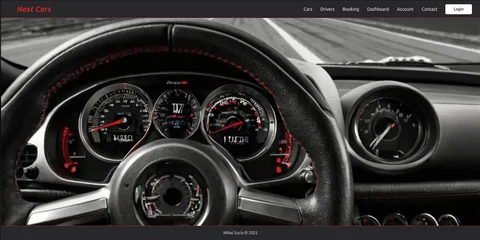
NextCars: Multi-Resource Booking & Assignment System
For rental operations where cars, drivers and bookings must remain aligned, this system rejects booking conflicts before they become customer-facing failures. It is built for operations where availability cannot depend on staff manually checking calendars, assignments and invoice state.
Do your teams rely on manual processes to get work done?
Related Pattern
Booking conflicts
If staff have to remember what is already committed, the booking rules live outside the system.
FAQ
Frequently Asked Questions
The questions below cover fit, scope boundaries, and what this service is meant to control operationally.
Why not just use existing internal tools or SaaS products?
Generic tools optimize for broad use cases, not your specific workflows. Internal tools are built around how your team actually works, reducing friction, manual steps and workarounds.
What kind of internal processes can be automated?
Approvals, task handling, data processing, internal requests, reporting workflows and operational routines that are currently handled manually or across multiple tools.
Will this replace existing tools or integrate with them?
It depends on your setup. In some cases, tools are replaced. In others, the system integrates with existing platforms to centralize control without disrupting operations.
How do you ensure the team actually uses the system?
The system is designed around real workflows and removes friction instead of adding it. Adoption happens because it simplifies execution, not because it is enforced top-down.