Friction 01
Unclear services
Visitors cannot tell what is offered, who it is for, or whether the provider handles their situation.
Solution
Build a business website that helps visitors understand your services, trust your expertise, and take the next step with confidence.
Solution Focus
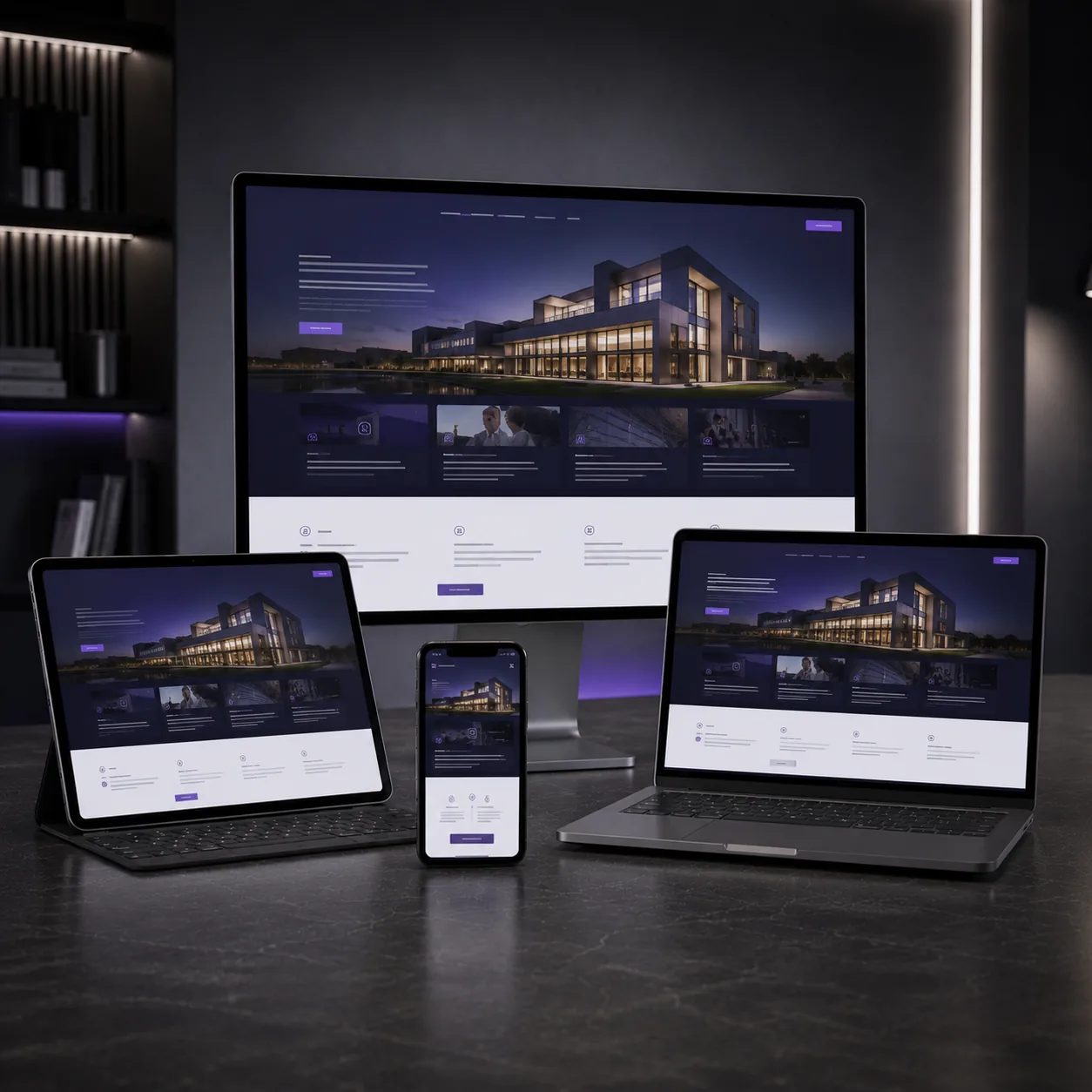
A business website is the public system that explains the offer, supports credibility, helps qualified visitors evaluate fit, and creates a clear path toward contact, booking, inquiry, or the next business action.
Operational Flow
Visitors arrive through search, referrals, campaigns, direct visits, or supporting content.
They need to quickly understand what the business offers, who it serves, and why it is credible.
Service pages, proof, articles, examples, and clear positioning help visitors compare alternatives.
The site should answer the practical questions that determine whether a visitor is ready to engage.
Contact paths, inquiry routes, booking flows, or other conversion steps make the next action obvious.
Common Friction
Friction 01
Visitors cannot tell what is offered, who it is for, or whether the provider handles their situation.
Friction 02
Important proof, pricing context, process information, or supporting content is scattered or missing.
Friction 03
Search, content, advertising, referrals, and sales conversations do not point to a coherent public platform.
Friction 04
The site is difficult to extend when services, content, integrations, or business priorities change.
01
A business website is often the right investment when people need to evaluate an organization before making contact. Visitors want to understand what is offered, who it is for, why it is credible, and what should happen next.
Unlike operational software, a business website focuses on communication, visibility, customer acquisition, and trust. It helps transform anonymous visitors into inquiries, consultations, customers, applicants, or business opportunities.
02
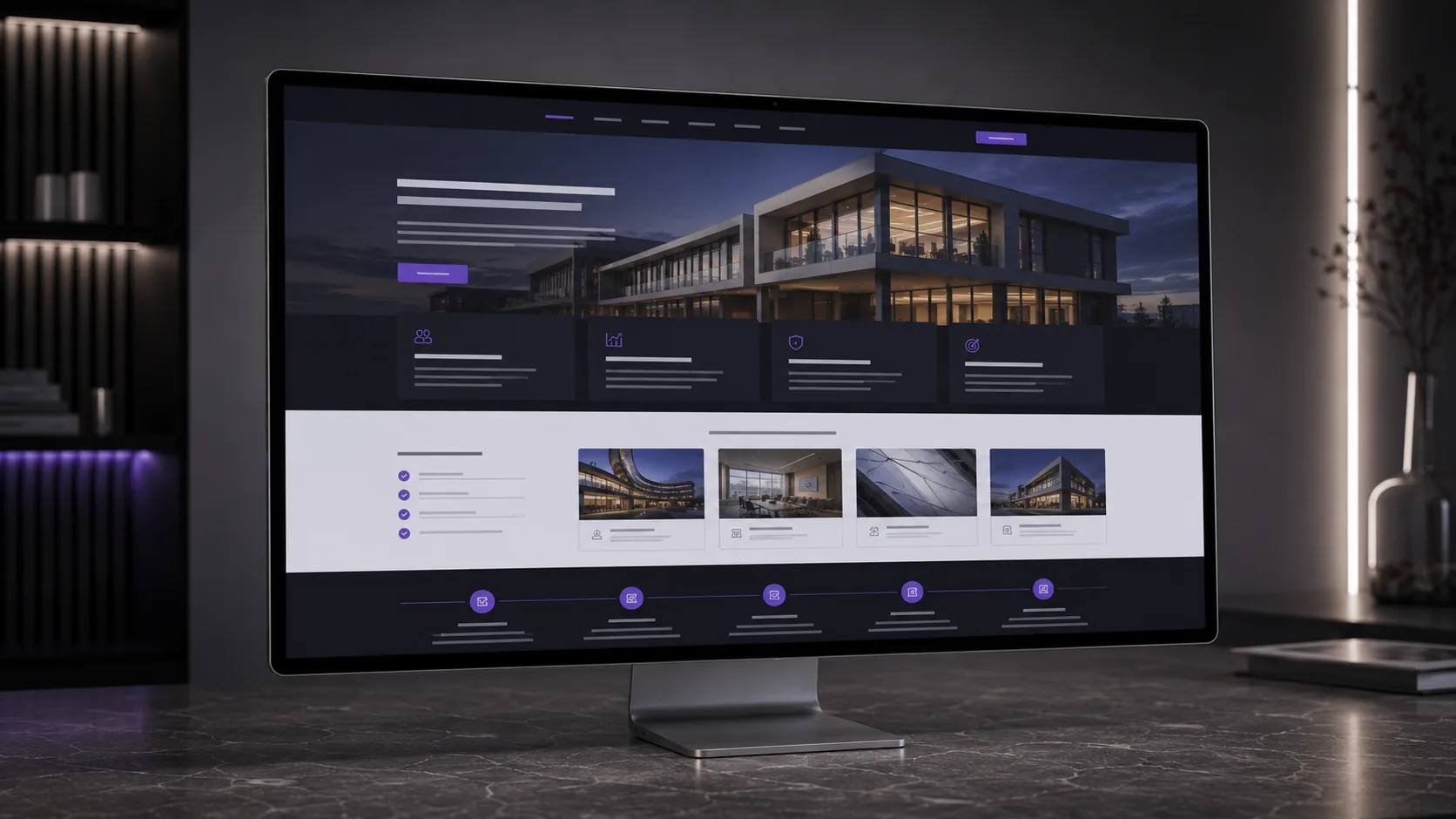
Most visitors compare alternatives before making contact. They review services, expertise, experience, case studies, testimonials, and supporting information to decide whether a provider is worth engaging.
A business website should support that evaluation process by making important information easy to find and easy to understand. The objective is helping qualified visitors make informed decisions rather than forcing them to search for basic answers.
A website should make the business easier to understand before it asks for action.
03
Website structure has a significant impact on usability. Services, solutions, expertise, case studies, articles, and contact paths should be organized around the questions visitors are trying to answer rather than around internal company terminology.
Clear navigation, focused service pages, supporting content, and logical internal linking help visitors move naturally from discovery to evaluation and ultimately to action.
Practical Principle
Navigation should follow what visitors need to decide, not how the company is organized.
04
A business website should support the broader activities that help an organization grow. Search visibility, content publishing, referrals, advertising campaigns, partnerships, recruitment, and customer inquiries often depend on the website as the central public platform.
The objective is not generating traffic for its own sake. The objective is helping the right visitors find the right information and creating a clear path toward meaningful business conversations.
05
Business requirements rarely remain static. New services are introduced, content grows, marketing activities evolve, and customer expectations change over time.
A well-designed website should provide a foundation that can grow without requiring a complete rebuild. Additional pages, content, integrations, and future capabilities should be able to evolve alongside the organization.
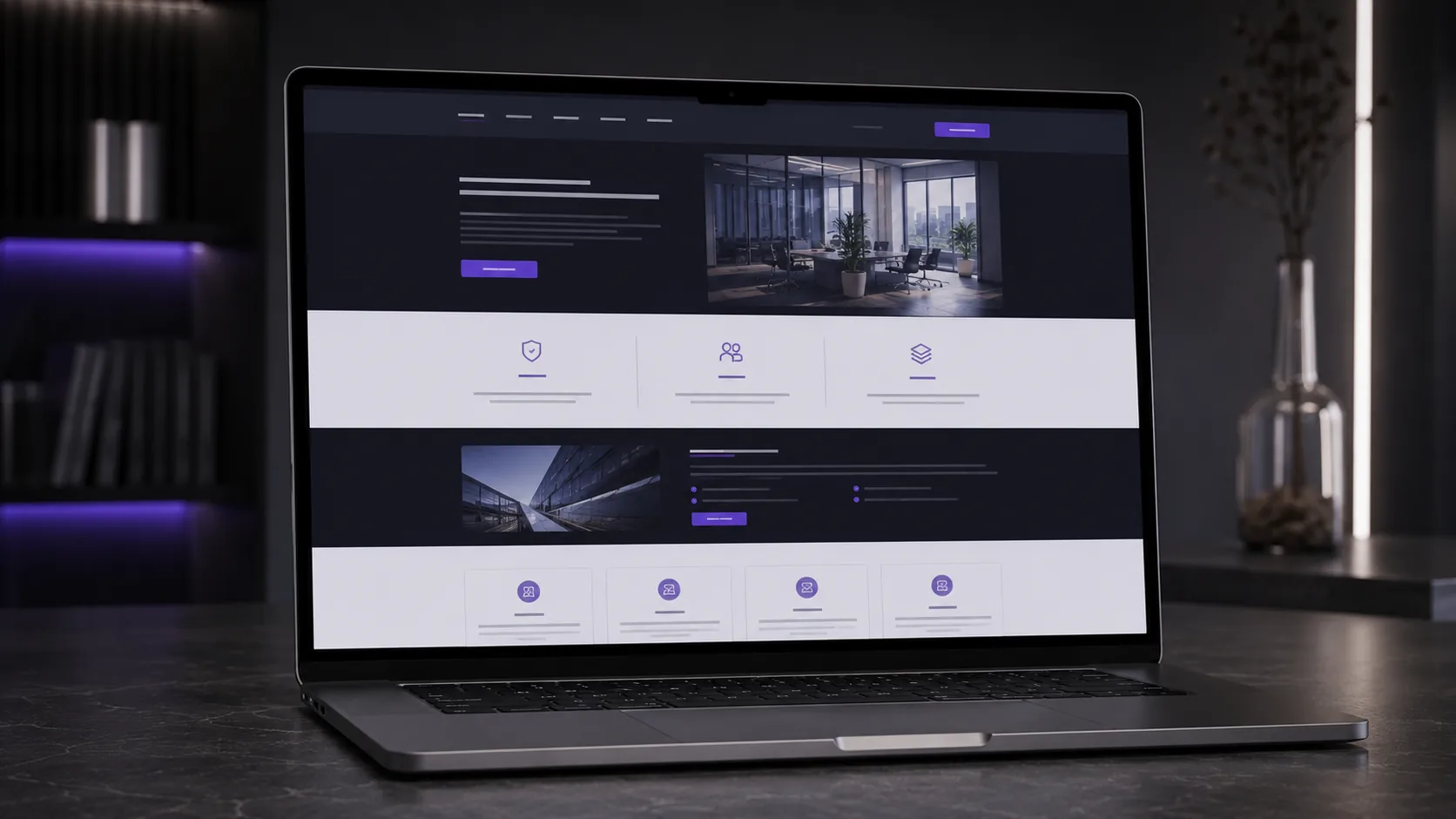
When accounts, dashboards, payments, bookings, approvals, or private workflows enter scope, it is web application work.
06
Most business websites focus on information, credibility, and customer contact. In some cases, additional requirements appear: customer accounts, private content, booking workflows, payments, dashboards, approvals, or operational processes.
When those requirements become central to the user experience, the project often moves beyond a website and into custom web application development.
Start The Conversation
Bring the services, audience, goals, and current website situation. BruteCX will help define the right structure, content, and technical approach for a website that supports both current needs and future growth.