BruteCX logo

Solution

CRM Software

Build CRM software that helps teams manage customer relationships, track opportunities, preserve context, and maintain visibility throughout the entire customer lifecycle.

Professional ServicesReal EstateRecruitmentInsuranceFinancial Services
CRM Software abstract representation

01

Customer Information Should Have One Source Of Truth

Customer information often becomes scattered across websites, forms, inboxes, spreadsheets, support tools, billing systems, and internal applications. As information spreads, teams spend more time searching for context and less time serving customers.

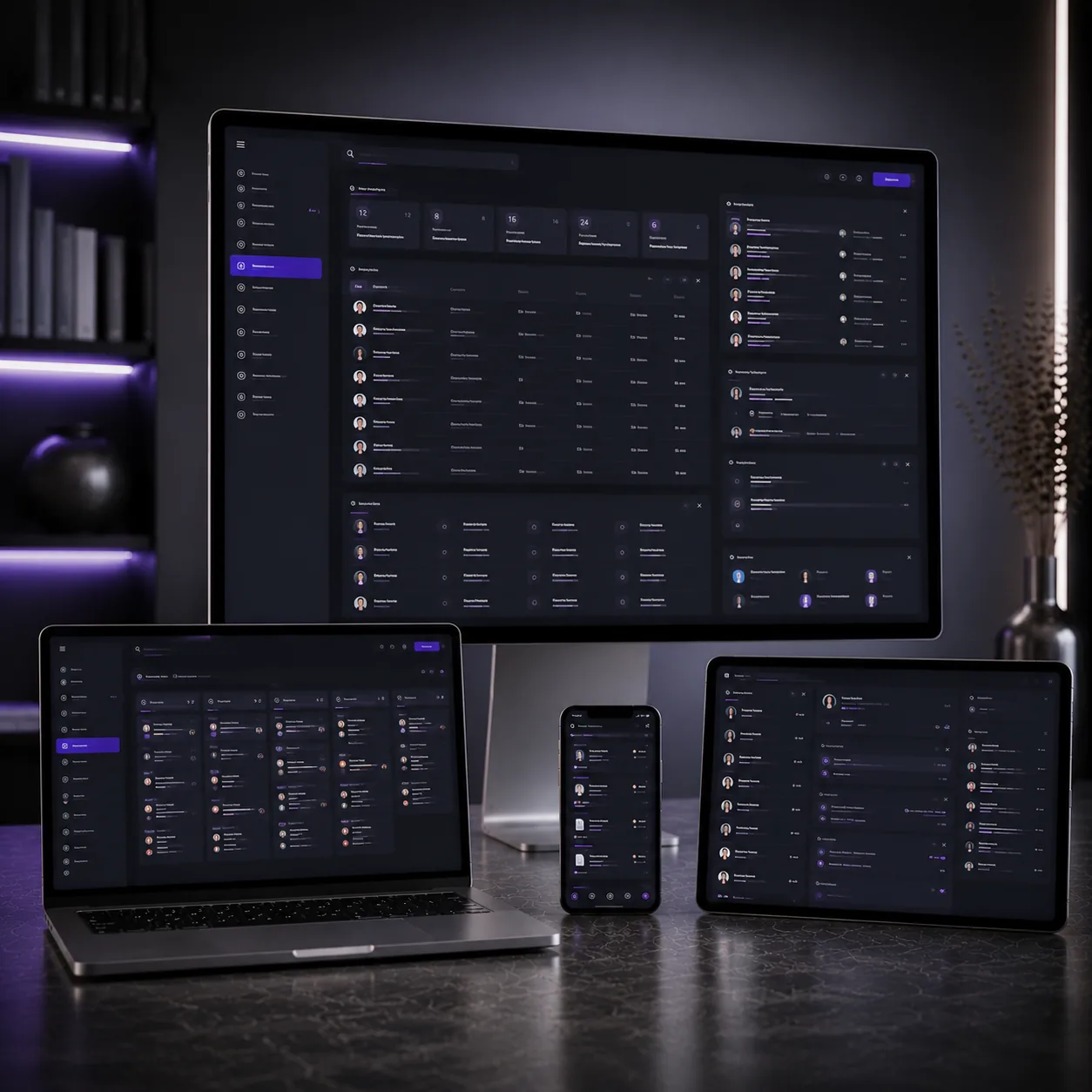
A CRM provides a central source of truth for contacts, organizations, opportunities, communication history, ownership, and customer activity. Everyone works from the same information, reducing duplication, confusion, and lost opportunities.
CRM Software abstract representation

02

What CRM Software Usually Manages

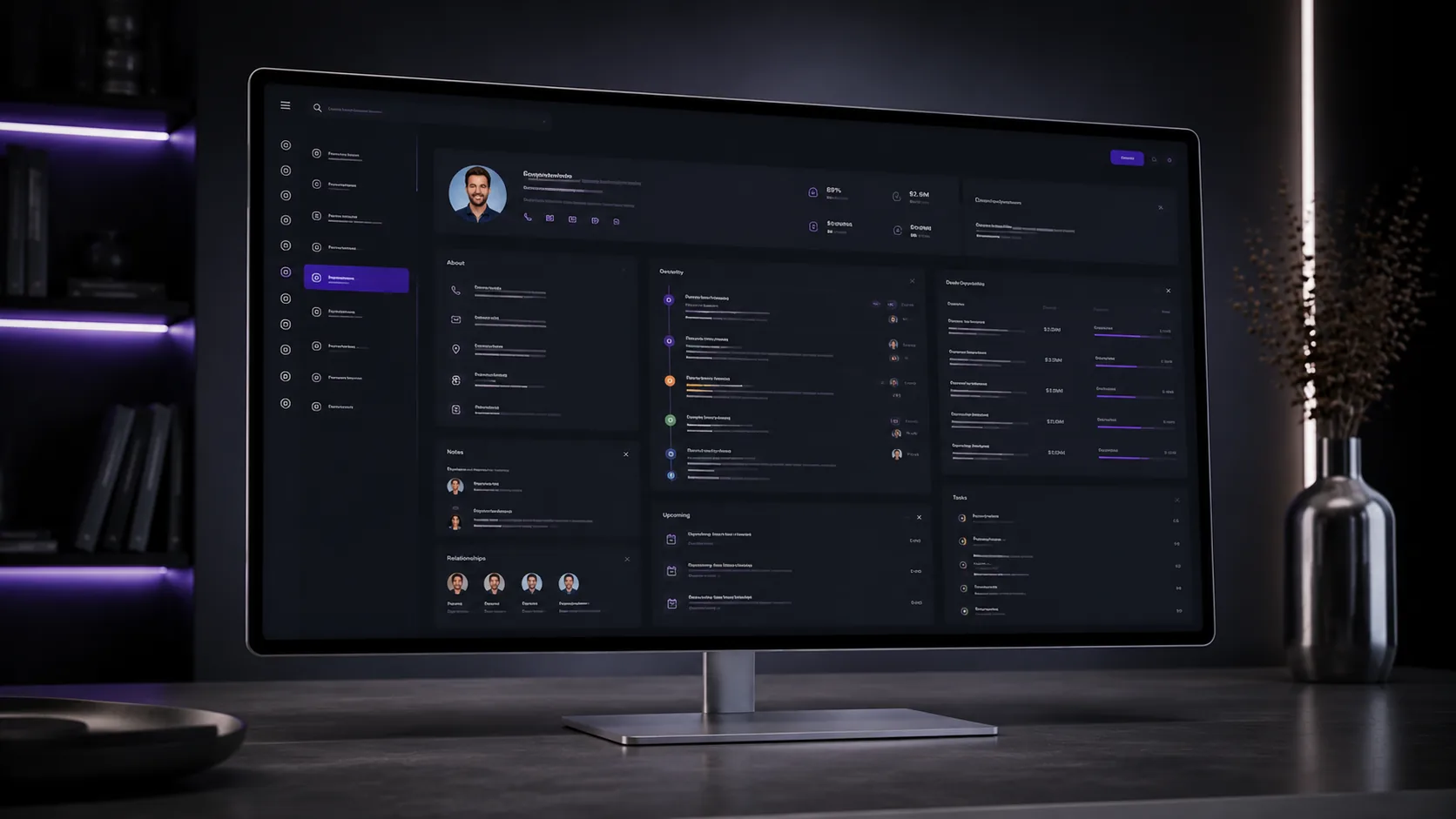
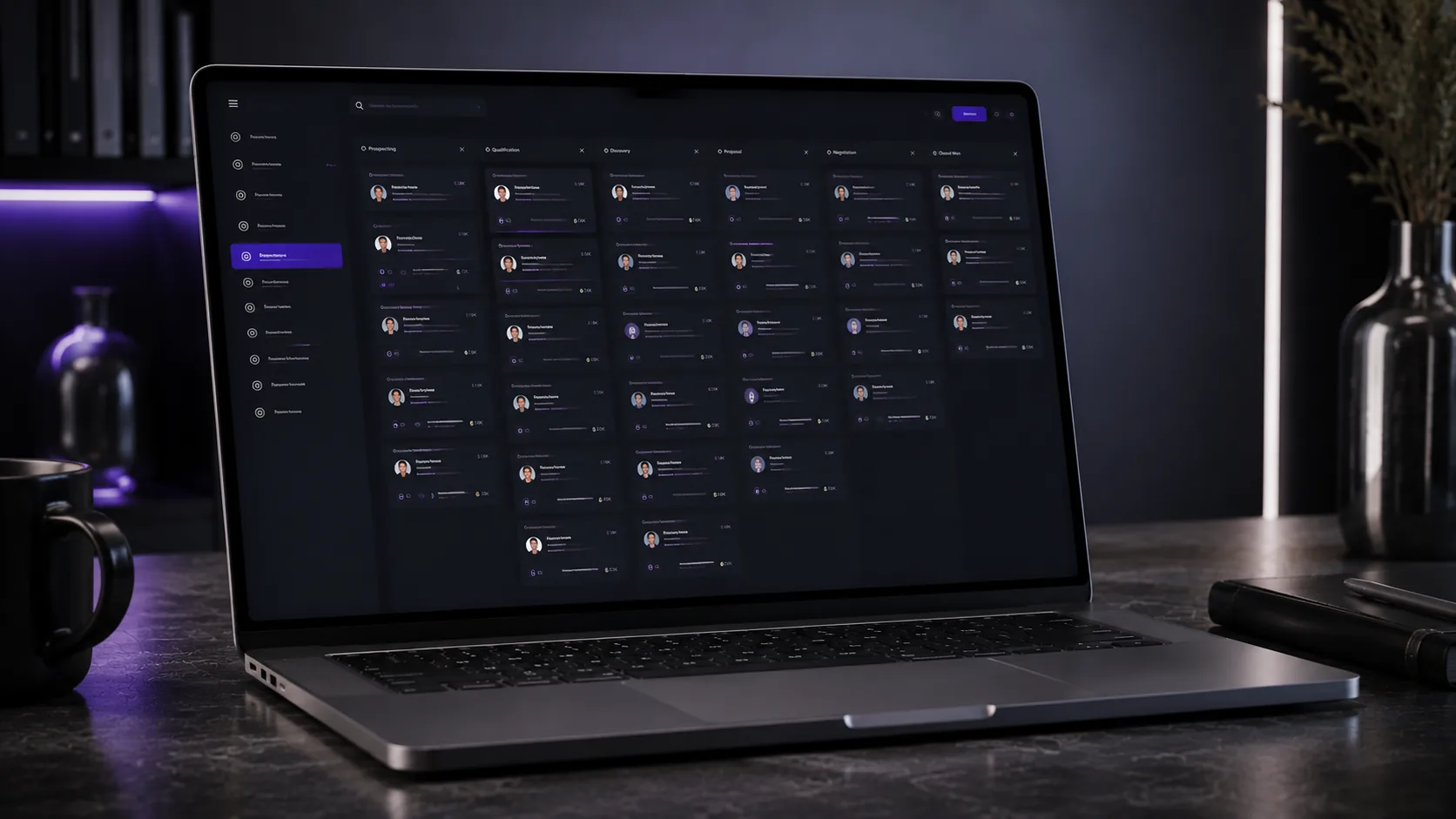
CRM software helps manage relationships throughout the customer lifecycle. Typical capabilities include contact records, organization records, sales pipelines, opportunity tracking, activity history, follow-up reminders, notes, communication logs, renewals, dashboards, and role-based access.

The objective is not storing customer information for its own sake. The objective is helping teams understand where relationships stand, what should happen next, and who is responsible for moving opportunities forward.

03

CRM Software And Operational Workflows

Modern CRM systems rarely operate in isolation. New leads may trigger follow-up tasks. Won opportunities may initiate onboarding workflows. Customer requests may create service activities. Renewals may generate reminders and approval processes.

For this reason, CRM software often becomes part of a broader operational environment connected to workflow automation, customer portals, scheduling systems, support processes, billing systems, and internal business applications.

04

Where Standard CRMs Fit

Off-the-shelf CRM products are often the right choice for organizations with relatively standard sales processes. They provide mature functionality, reporting, integrations, and automation without the cost of custom development.

Custom CRM software becomes more attractive when the customer lifecycle is unusual, operational workflows are highly specific, reporting requirements are unique, or the CRM must integrate deeply with custom portals, business systems, or internal processes.

05

A Practical First Release

The first release should focus on the stages of the customer lifecycle that create the most operational value. This often includes contact management, opportunity tracking, ownership, follow-up activities, reporting, and customer history.

A smaller CRM that teams trust and use consistently creates more value than a larger system filled with unused fields, unnecessary workflows, and unreliable data.

CRM Software abstract representation

06

Start With The Customer Journey

The strongest CRM systems are designed around how relationships actually progress. Understanding acquisition, qualification, onboarding, service delivery, account management, renewals, and customer communication helps define software that supports work rather than creating additional administration.

Start The Conversation

Build A CRM People Will Use

Bring the customer lifecycle, current tools, reporting requirements, workflow requirements, and operational goals. BruteCX will help shape a CRM that supports how relationships are actually managed.