

BruteCX logo

Solution

Field Service Management Software

Build field service management software that helps schedule work, coordinate technicians, manage field operations, track job progress, and maintain visibility from request to completion.

Scheduling & DispatchMobile WorkforceWork OrdersField ReportingService Delivery
Field Service Management Software abstract representation

01

Coordinate Work Beyond The Office

Field operations introduce challenges that do not exist in office-based environments. Work must be coordinated across customer locations, technician schedules, travel time, equipment availability, and changing priorities throughout the day.

Without a shared operational system, dispatchers, technicians, and managers often rely on calls, messages, spreadsheets, and manual updates to understand what is happening in the field.
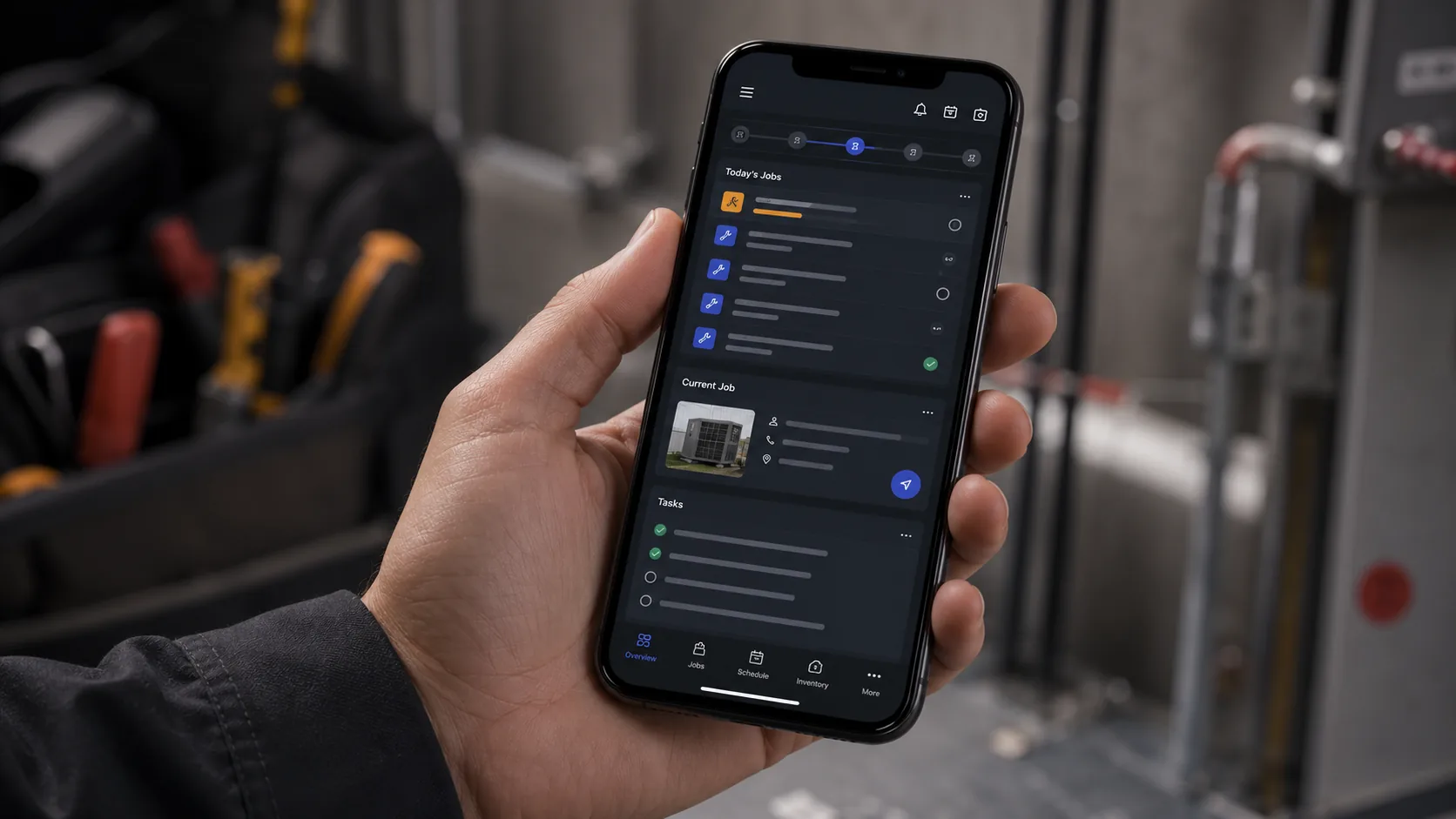
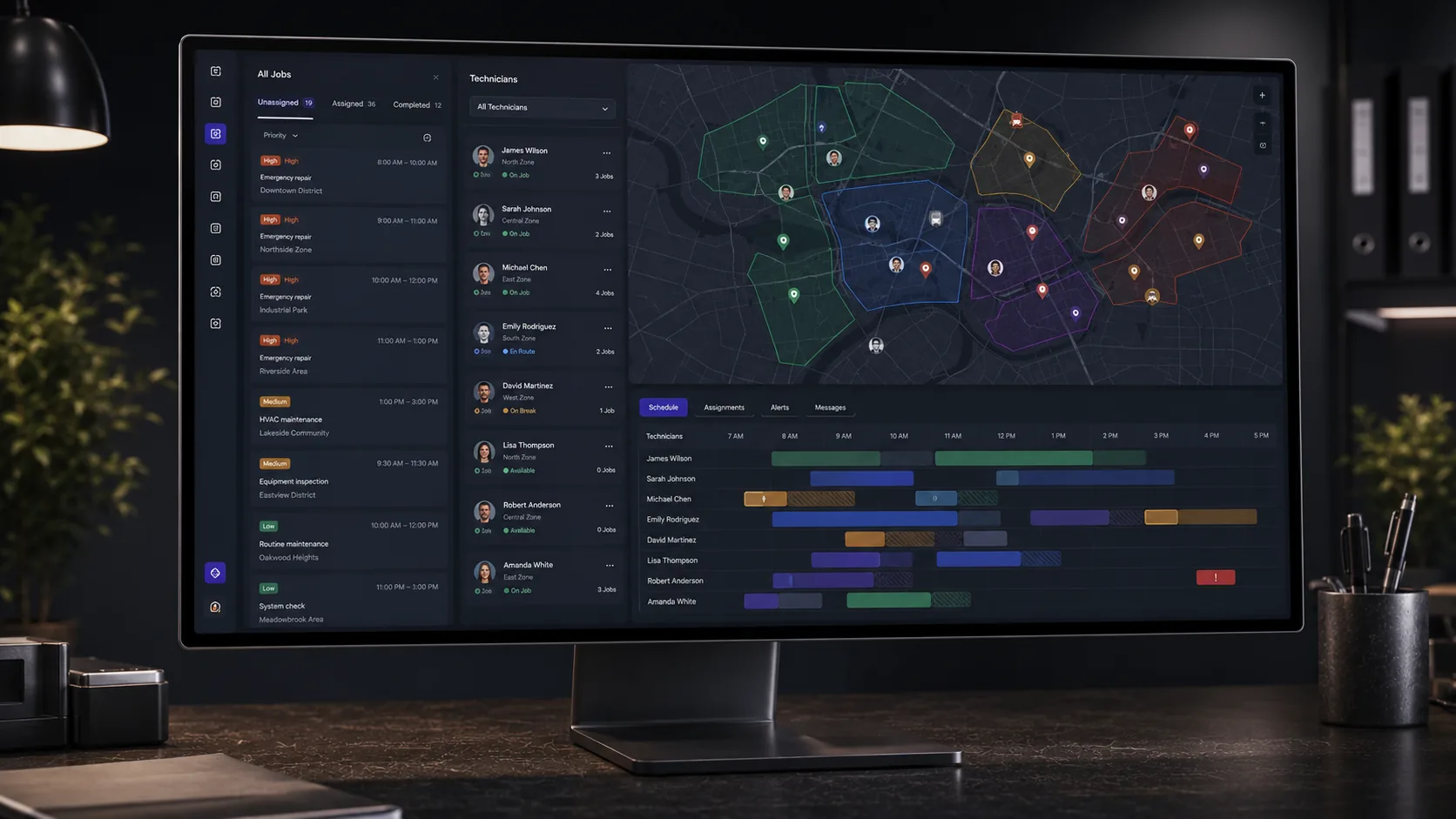
Field Service Management Software abstract representation

02

Scheduling And Dispatch Visibility

Scheduling is often the operational center of a field service business. Teams need visibility into appointments, technician availability, workload distribution, route planning, and job priorities.

A field service platform helps coordinate those activities through scheduling calendars, dispatch tools, technician assignment workflows, and real-time job visibility.

03

Keeping Technicians, Customers, And Jobs Aligned

Field work requires constant coordination between customer expectations and operational reality. Appointments change, jobs take longer than expected, urgent requests appear, and technicians become unavailable.

The goal is ensuring everyone works from the same information. Customers receive updates, technicians understand priorities, and managers maintain visibility into the status of ongoing work.

04

Managing Work Orders And Field Evidence

Many organizations need more than scheduling. Work orders, site notes, photographs, signatures, inspection results, checklists, and completion records often become part of the service process.

Capturing information directly from the field helps create a reliable record of what was performed, when it occurred, and what evidence supports completion.

05

Where Standard Field Service Platforms Fit

Many organizations can successfully use existing field service products when scheduling requirements, work orders, reporting, and operational processes follow common industry patterns.

Custom software becomes more attractive when dispatching rules, customer workflows, technician processes, integrations, reporting requirements, or operational models differ significantly from standard products.

Field Service Management Software abstract representation

06

A Practical First Release

The first release should focus on a complete operational workflow: request intake, scheduling, technician assignment, field updates, customer communication, and job completion.

Once that workflow operates reliably, additional capabilities such as route optimization, inventory management, advanced reporting, capacity planning, and customer portals can be introduced incrementally.

07

Connecting Field Operations To The Rest Of The Business

Field operations rarely exist in isolation. Scheduling, work orders, customer records, inventory, billing, reporting, and workflow automation often depend on information shared across multiple systems.

A field service platform becomes more valuable when it integrates naturally with the wider operational environment rather than forcing teams to re-enter information across disconnected tools.

Start The Conversation

Improve How Field Work Is Coordinated

Bring the scheduling process, technician workflows, dispatch challenges, customer communication requirements, and reporting needs. BruteCX will help shape a field service platform around how work is actually delivered.