
BruteCX logo

Solution

Inventory Management Software

Build inventory management software that helps track stock, reservations, purchasing, adjustments, locations, alerts, and availability with less manual checking.

ManufacturingWholesale DistributionRetailE-CommerceWarehousing
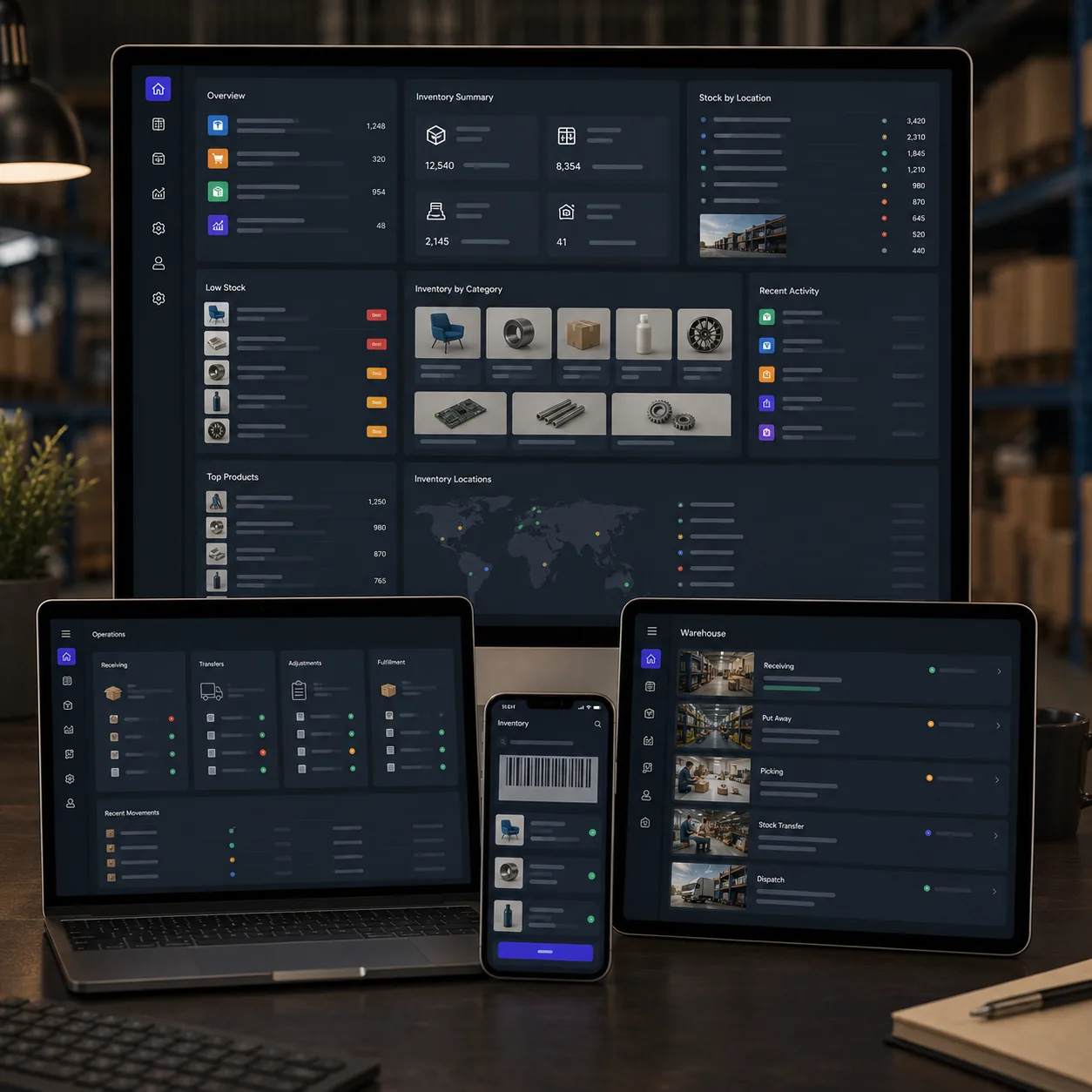
Inventory Management Software abstract representation

01

Inventory Visibility Across Operations

Inventory becomes difficult to manage when stock information is spread across spreadsheets, disconnected systems, manual messages, and inconsistent processes. Different teams often work from different versions of the truth.

Purchasing, sales, fulfillment, service delivery, and management all depend on inventory information being accurate and available when decisions need to be made.
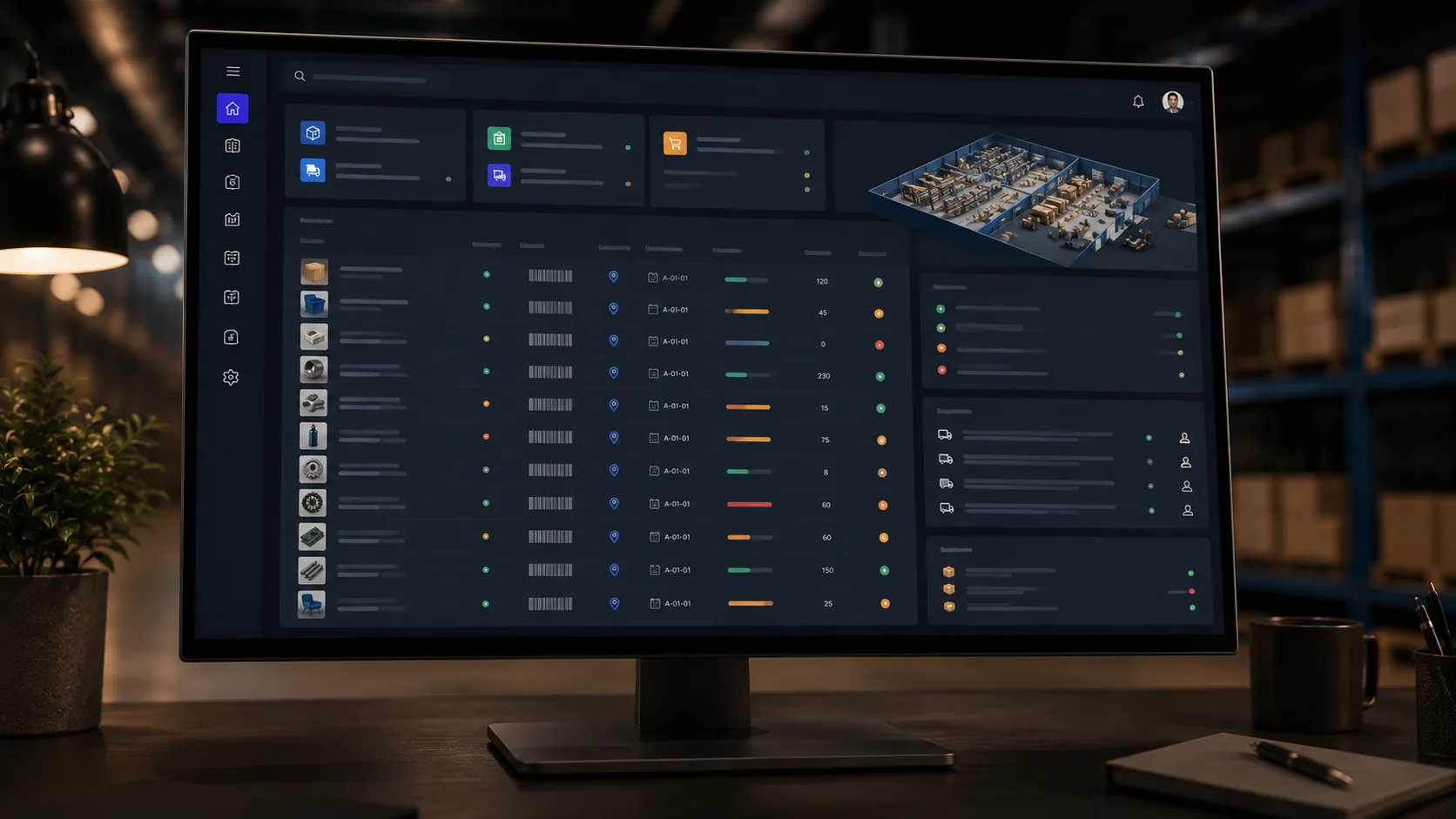
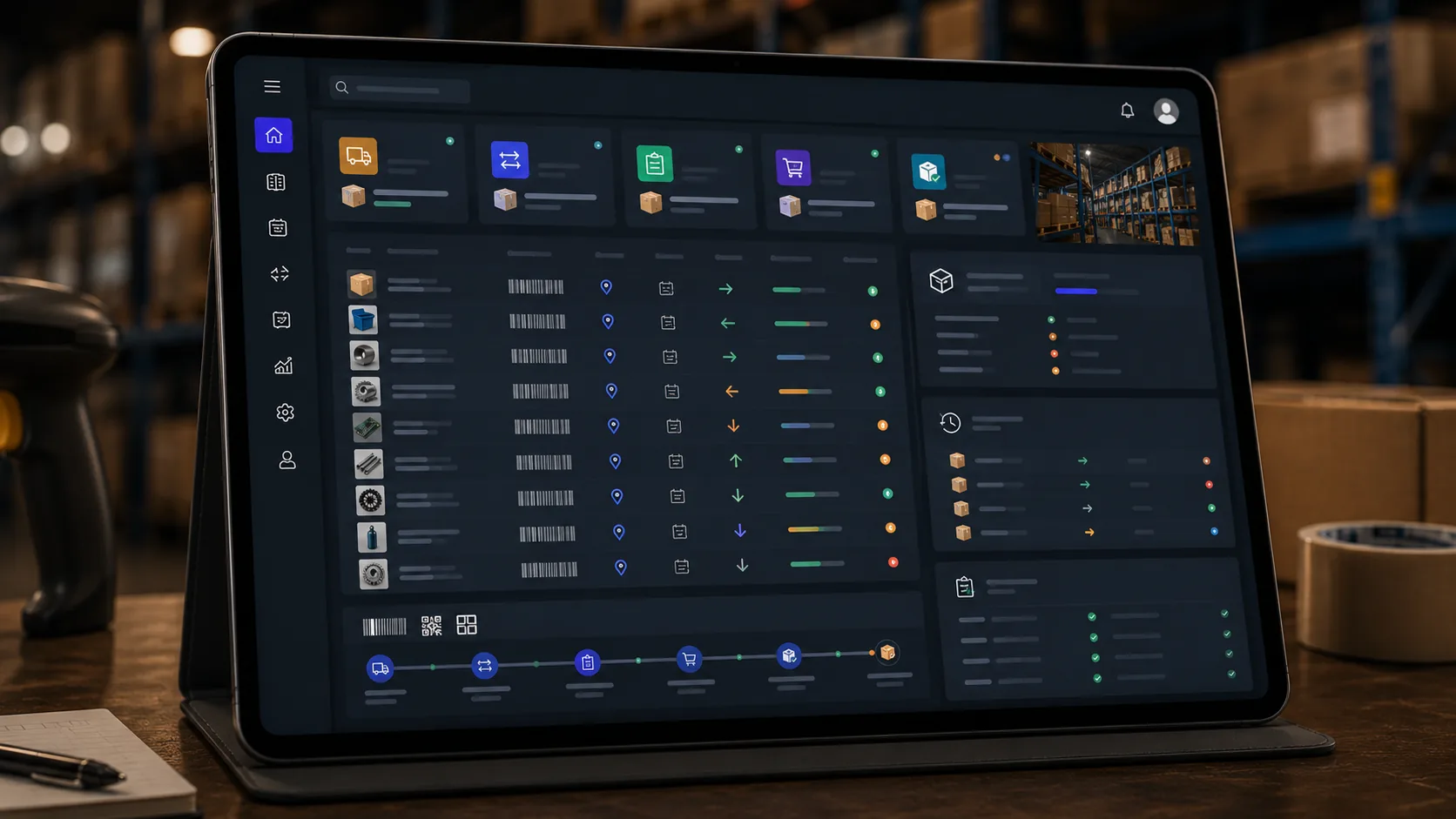
Inventory Management Software abstract representation

02

Knowing What Is Actually Available

Many inventory problems are not caused by missing stock. They are caused by uncertainty. Teams may not know whether inventory is available, reserved, already committed to another order, in transit, or awaiting receipt.

Inventory management software helps create a reliable operational picture so decisions can be made without repeated manual checks.

03

Managing Stock Movement

Inventory rarely remains in one place. Items are received, transferred, reserved, allocated, adjusted, returned, consumed, sold, or delivered throughout their lifecycle.

The system should provide visibility into those movements so teams can understand where inventory came from, where it is now, and what happens next.

04

Supporting Purchasing Decisions

Inventory management is not only about current stock. It also influences future purchasing decisions. Low-stock alerts, reorder thresholds, supplier information, and consumption patterns help organizations plan more effectively.

The objective is reducing both stock shortages and unnecessary overstocking while maintaining operational continuity.

05

Where Standard Inventory Tools Fit

Off-the-shelf inventory platforms are often appropriate when stock workflows, reporting requirements, and operational processes follow common patterns. They can provide mature functionality with relatively fast implementation.

Custom inventory software becomes more attractive when inventory rules, operational workflows, integrations, user roles, or reporting requirements differ significantly from what standard products support.

Inventory Management Software abstract representation

06

A Practical First Release

The first release should focus on a complete inventory workflow such as receiving, reserving, transferring, purchasing, fulfillment, or stock adjustment.

Once reliable visibility exists for that process, additional controls, automation, reporting, forecasting, and integrations can be introduced incrementally.

07

Connecting Inventory To The Rest Of The Business

Inventory rarely operates in isolation. Sales, ecommerce, procurement, warehousing, service delivery, accounting, and reporting often depend on inventory information.

Inventory software becomes significantly more valuable when it integrates naturally with the wider operational environment instead of requiring teams to re-enter information across multiple systems.

Start The Conversation

Improve Inventory Visibility

Bring the inventory workflow, stock movement process, purchasing requirements, locations, and reporting needs. BruteCX will help shape an inventory management platform around how inventory actually moves through the organization.