
BruteCX logo

Solution

Learning Platforms

Build a learning platform for courses, learner accounts, progress tracking, gated content, assessments, certificates, and admin workflows tailored to the way the program runs.

EducationCorporate TrainingHealthcareProfessional CertificationCompliance Training
Learning Platforms abstract representation

01

Delivering Learning At Scale

Learning becomes difficult to manage when content, communication, assessments, learner records, and administration are spread across multiple systems. Instructors and administrators often spend more time coordinating processes than supporting learners.

As programs grow, organizations need a consistent way to deliver content, manage access, monitor progress, and maintain visibility into learner outcomes.
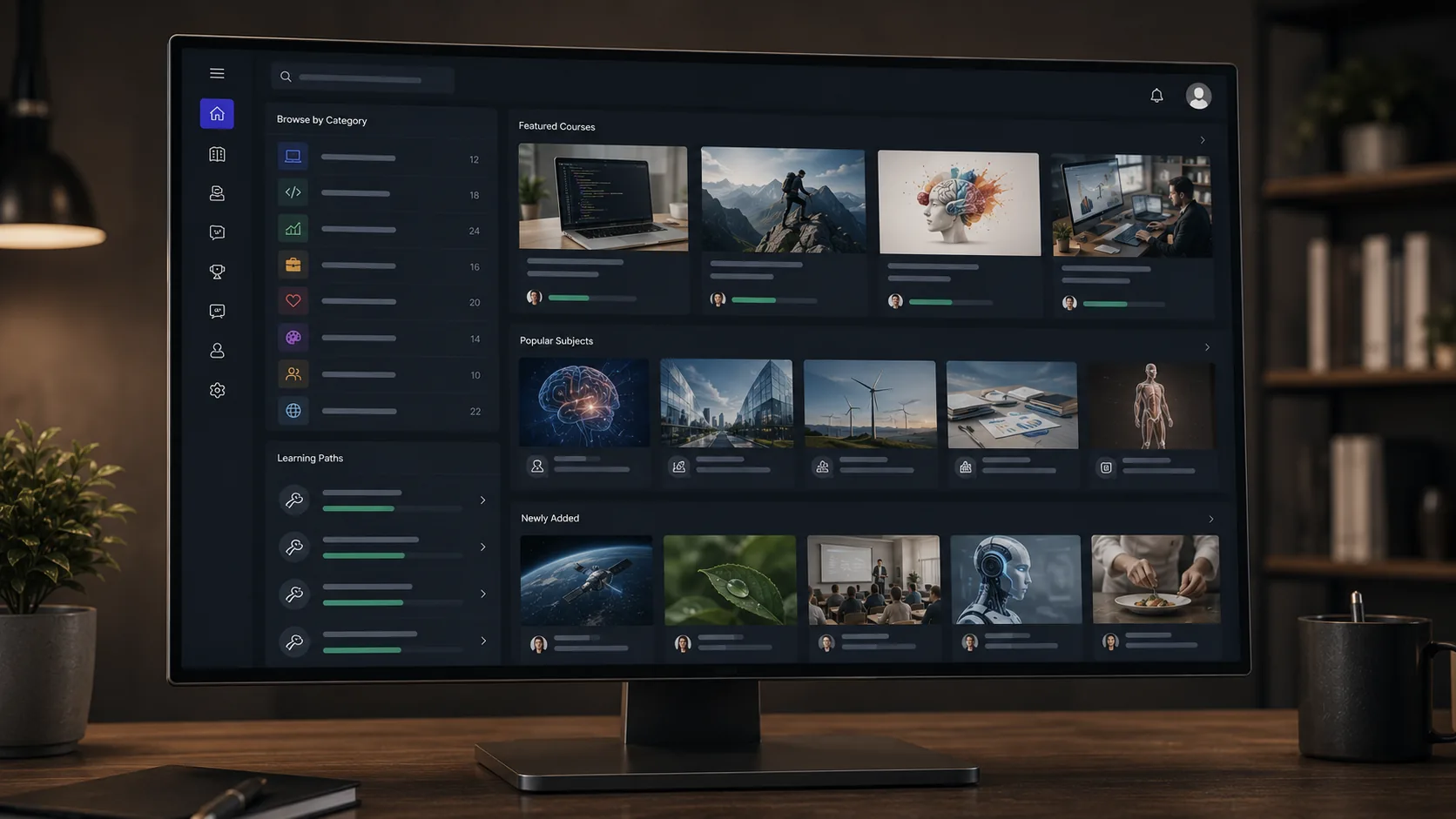
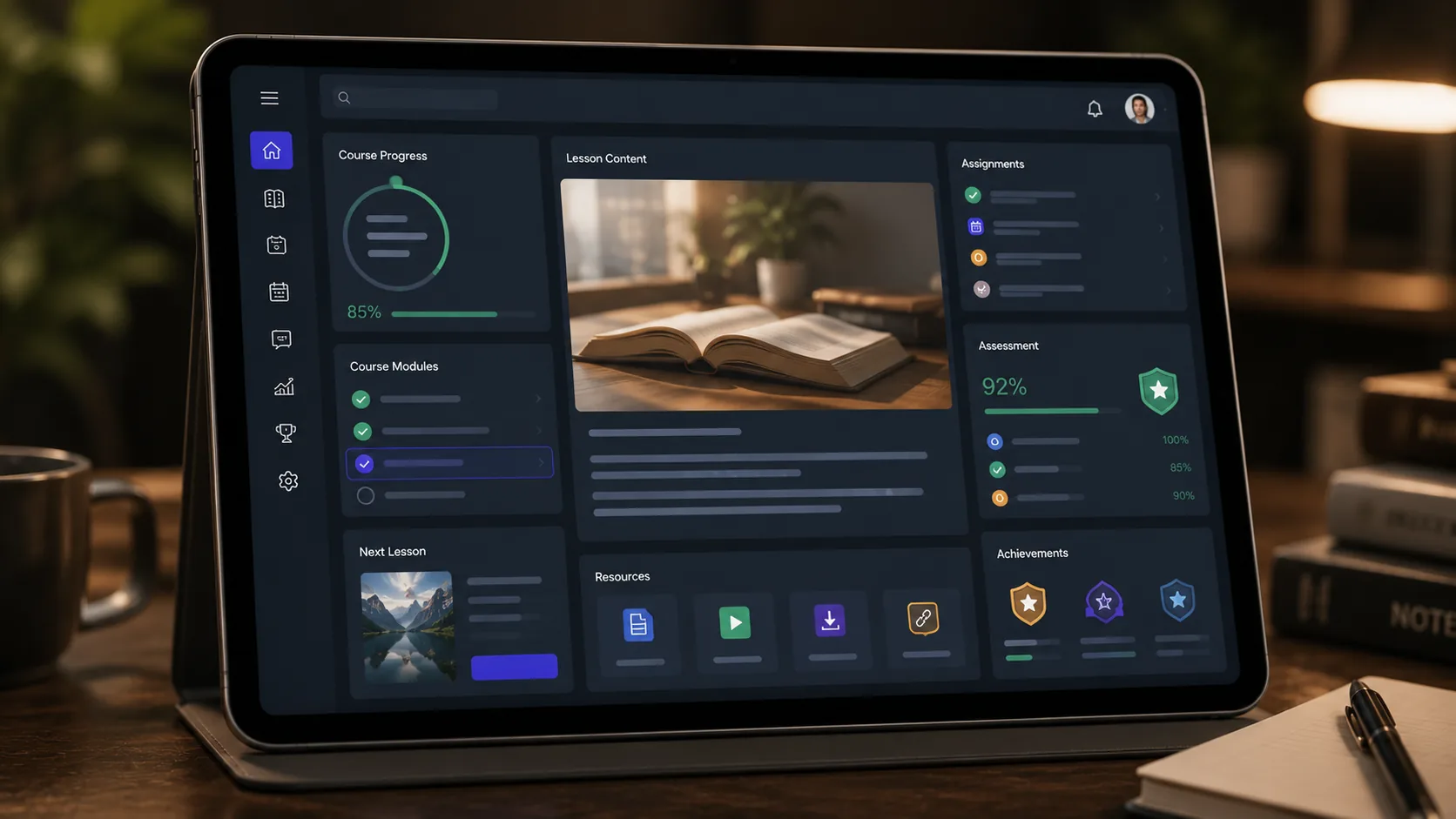
Learning Platforms abstract representation

02

Managing The Learner Journey

A learning platform supports the complete learner journey from enrollment through completion. Access to content, learning progress, assessments, certificates, and communication should work together as a single experience rather than as disconnected activities.

The objective is helping learners understand what they need to do next while giving administrators visibility into participation, engagement, and completion.

03

Supporting Different Learning Models

Not every learning program follows the same structure. Some organizations deliver self-paced courses, while others combine assessments, instructor-led sessions, certifications, compliance requirements, mentoring, or structured learning paths.

The platform should reflect how learning is actually delivered rather than forcing the program to adapt to rigid software limitations.

04

Where Standard Learning Platforms Fit

Existing LMS and course platforms are often appropriate for standard online learning programs. They provide mature functionality and can support common content delivery requirements with relatively fast implementation.

Custom learning software becomes more attractive when access rules, certification requirements, learner workflows, reporting, integrations, or the overall educational experience differ significantly from what standard platforms support.

05

A Practical First Release

The first release should focus on one complete learning workflow: enrollment, content access, progress tracking, assessment, and completion.

Once learners and administrators can successfully move through that journey, additional learning paths, reporting, automation, certifications, and integrations can be introduced incrementally.

Learning Platforms abstract representation

06

Reporting And Program Visibility

Organizations often need more than content delivery. Managers, instructors, and administrators may need visibility into participation rates, assessment results, completion status, certification progress, and learner engagement.

Clear reporting helps identify where learners succeed, where they struggle, and where improvements to the program may be required.

07

Connecting Learning To The Wider Organization

Learning platforms rarely operate in isolation. Enrollment, payments, CRM records, certifications, compliance systems, community tools, and reporting often depend on information moving between multiple systems.

A learning platform becomes more valuable when it integrates naturally with the wider operational environment instead of requiring administrators to manage duplicate information across separate tools.

Start The Conversation

Build A Platform Around The Learning Experience

Bring the learning model, learner journey, content structure, certification requirements, and administrative workflows. BruteCX will help shape a learning platform around how the program actually operates.